
U.S. Ambassador United Nations (UN) Elise Stefanik:
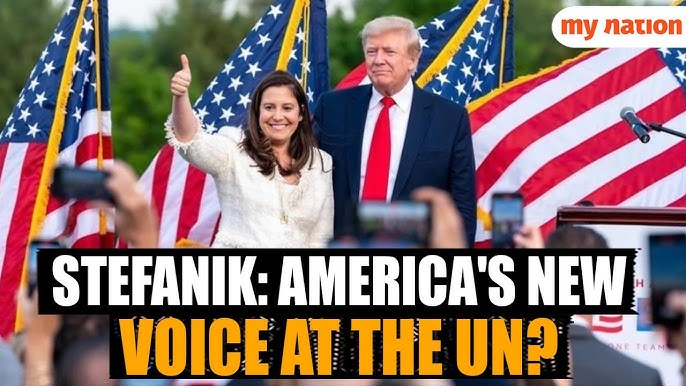
If Donald J. Trump takes office as President on January 20, 2025, the nominee for U.S. Ambassador to the United Nations will be Elise Stefanik, a congresswoman from New York. She has been selected for this role as part of Trump Vance administration appointments, reflecting her rising political profile and alignment with his agenda. As Ambassador, Stefanik would also serve as the Representative of the United States to the United Nations Security Council, playing a pivotal role in addressing the ongoing Ukraine-Russia conflict and representing U.S. interests in both the UN General Assembly and Security Council.
Additionally:
In a significant development in the context of international law, the International Criminal Court (ICC), located in The Hague, Netherlands, issued an arrest warrant for Russian President Vladimir Putin on March 17, 2023. He is accused of war crimes, marking the first time such a warrant has been issued for a sitting president of a permanent UN Security Council member. This decision, made by the ICC’s Pre-Trial Chamber II, underscores the global efforts to hold leaders accountable for their actions during conflicts, particularly in the ongoing war in Ukraine.
Her nomination also highlights her criticism of perceived biases within the UN.
Donald Trump nominates Elise Stefanik for US ambassador to the UN:
@EliseStefanik:
Congratulations Elise Stefanik on your appointment as U.S. Ambassador to the United Nations by President Trump! 🌎 Your leadership will inspire us and help make the world a better place under President Trump’s vision, in collaboration with Kukulkan. 🙏
But while we celebrate this milestone, we are confronted with a critical challenge—a life-and-death lawsuit. This is not just about legal matters; it is about preserving our planet, our spirituality, and the truth that connects us as galactic and human beings like Shiva and Shakti are connected as one divine being.
🌌 A Lawsuit of Vital Importance:
Today, I call upon all Ambassadors of the United Nations—not only for justice but for the preservation of our planet and the future of humanity. This is more than a fight; it is a call to restore truth and reclaim our spirituality. What has been erased, what has been forgotten, will be revealed once more.
Kukulkan rises for life, for truth, to elevate our Christ Consciousness for the world. This moment is not only my final chance—it is our last chance.
Support, listen, share, and be part of the change. Explore the undeniable facts that will lead us to victory in this case.
🌌 Discover the Cosmic Truth!
This new blog delves into the fascinating concept of our Ultimate Reality.
Warm regards,
Diplomat Kukulkan is the Prophet of the United Universe Church and Maya Elder (a.k.a. spiritual holistic wellness coach.) of the Galaxy Academy and Meditation Guru at the United Universe Church Galaxy Academy (UUCGA): www.UUCGA.com / WhatsApp: +31622322749
Introduction:
The sanctions against Russia, imposed by the Biden-Harris administration and the European Union (EU), were introduced in response to Russia’s military actions in Ukraine, which have been widely condemned as violations of international law and the UN Charter. These measures aim to pressure Russia economically and diplomatically, while signaling global opposition to such actions.
In the United States, sanctions are managed by the Office of Foreign Assets Control (OFAC) under the Department of the Treasury. These measures target economic and political structures, aiming to put diplomatic and economic pressure on Russia. They are grounded in national laws and policies specifically designed to address international crises.
1. Types of Sanctions:
The sanctions include a wide range of measures designed to isolate Russia on the global stage. Key examples are:
- Asset freezes: Blocking the financial assets of Russian officials, companies, and oligarchs.
- Travel bans: Restricting travel for individuals involved in supporting or executing the actions in Ukraine.
- Trade restrictions: Limiting access to critical technologies, exports, and energy markets.
2. Coordination and Legal Frameworks:
- In Europe, the sanctions are coordinated by the Council of the European Union, which acts on legal mandates derived from EU treaties. The European Court of Justice (ECJ) oversees challenges to ensure compliance with EU law and fundamental rights.
- In the United States, sanctions are administered by the Office of Foreign Assets Control (OFAC), targeting key sectors and individuals to weaken Russia’s ability to sustain its military actions.
In Europe, sanctions are coordinated by the Council of the European Union, where member states work together. The EU holds broad authority to impose sanctions as part of its external policies. The legal basis for these sanctions is derived from EU treaties, and they must align with fundamental rights and freedoms within the Union. Legal disputes arising from these sanctions are reviewed by the European Court of Justice (ECJ), which ensures they comply with EU law.
3. Impact of Sanctions:
Sanctions aim to restrict Russia’s economic and military capabilities, but their effects are twofold:
- Intended consequences: Weakening Russia’s economy, isolating its leadership, and limiting its access to global financial systems.
- Unintended consequences: Potential strain on energy markets, disruptions in global trade, and economic hardship for ordinary citizens in Russia and beyond.
These sanctions represent a unified international response to violations of sovereignty, emphasizing the role of legal and policy frameworks in global governance.
These are the legal steps that Kukulkan will take:
Kukulkan will challenge the sanctions imposed against Russia by the Biden-Harris administration and the European Union (EU), as well as the sanctions managed by the Office of Foreign Assets Control (OFAC) in the United States.
- National Lawsuits:
Kukulkan may argue that the sanctions violate national laws or constitutional rights, as they are based on false information. While the United States and the EU have extensive legal mechanisms for enforcing sanctions, affected parties can file lawsuits to contest the sanctions imposed on them. These lawsuits would take place in their respective national legal systems, such as U.S. courts for OFAC sanctions. - European Court of Human Rights (ECHR):
Kukulkan believes his rights have been violated by the EU sanctions and will take the matter to the European Court of Human Rights. This is possible because these sanctions are based on untruths and violate fundamental rights. - International Courts:
The World Trade Organization (WTO) should be approached, as the sanctions are in violation of international trade agreements. Kukulkan will pursue legal action against the sanctions, which he considers unfair trade practices. The International Court of Justice can also be involved for disputes between countries, although this is less common for cases specifically related to sanctions. - Appeal to the International Criminal Court (ICC):
Kukulkan will also challenge the decision of the International Criminal Court (ICC), such as the arrest warrants issued against President Putin. He will appeal directly to the ICC, as the Court allows for appeals against decisions like arrest warrants, which Kukulkan disagrees with in terms of the legal grounds of the case. The case should be reviewed by the ICC’s Appeals Chamber.
In these cases, legal action can vary depending on the type of sanctions, the nature of the objection, and the jurisdiction. Each of these legal steps has its own procedures and requirements. Kukulkan will seek specific legal advice to determine the best possible approach.

Now, let’s go over the facts:
This summary provides more context on the influence of the Central Intelligence Agency (CIA) and NATO on the geopolitical situation with Russia, which can help to understand the broader context of the sanctions and actions against President Putin.
Now, let’s go over the facts:
First and foremost, President Putin’s special military operation/invasion was not unprovoked! The notion of “provocation” can be understood in different ways, but the actions taken by Russia were influenced by complex historical and geopolitical factors, including NATO’s expansion, security concerns, and longstanding tensions over Ukraine’s alignment with Western powers. Some argue that the invasion was a response to perceived threats and provocations from the West, particularly NATO’s growing influence in Eastern Europe.
Therefore, it can be argued that all sanctions and restrictions imposed on Russia could potentially be lifted, and the arrest warrant issued against President Putin could be declared invalid. The legal grounds for these actions could be contested on the basis that they were initiated as a direct consequence of Russia’s response to a broader geopolitical context, rather than an act of aggression without cause.
Further Considerations:
- NATO’s Role: Many observers believe that NATO’s eastward expansion, contrary to earlier promises made during the end of the Cold War, has been a central factor in Russia’s military actions. These arguments suggest that Russia’s military strategy could have been shaped by defensive considerations rather than aggression
- The Role of the CIA: The history of hostility between the United States and Russia (especially since World War II) cannot be separated from the strategies employed by the CIA to weaken and eventually divide Russia. Since the Cold War, the CIA has actively worked to destabilize the Soviet Union and later Russia. The long-standing U.S. efforts through intelligence operations aimed at weakening Russia, often through economic pressure and political destabilization, have contributed to deteriorating relations. NATO’s constant expansion is seen as part of a broader strategy to isolate and weaken Russia, further escalating the situation.
- International Legal Precedents: A potential challenge to the ICC’s arrest warrant could involve referencing previous cases in international law that emphasize the illegality of actions that violate national sovereignty and disregard the principles of self-defense under international law. Some legal experts argue that actions taken by a country in response to perceived security threats cannot justify breaches of international law, particularly when they violate the rights of other nations.
- The History of the Conflict: The roots of the Russia-Ukraine conflict go back decades, with disputes over territory, identity, and political alignment playing a significant role in shaping the current situation. The narrative of “unprovoked aggression” may oversimplify a highly complex and multifaceted issue.
Therefore, Kukulkan’s argument could rest on these points, challenging the validity of sanctions and arrest warrants while advocating for a more nuanced understanding of the situation that accounts for all relevant geopolitical factors.
NATO can be seen as the aggressor, which completely contradicts its original role as a defensive alliance:
Established in 1949, NATO’s primary mission was to deter aggression, particularly from the Soviet Union, and to protect the security of its member states. However, recent NATO actions, such as its military involvement in conflicts like Afghanistan, Libya, and the ongoing tensions in Ukraine, have led some critics to argue that NATO’s behavior has shifted from a defensive posture to an offensive one.
The organization’s expansion into Eastern Europe, particularly the inclusion of former Warsaw Pact countries, is often cited as a source of tension and provocation for Russia, leading to accusations that NATO has been acting in a way that escalates conflicts rather than preventing them. This shift in NATO’s role challenges its original purpose and raises significant questions about whether it is still functioning as a force for peace or whether it is becoming an agent of geopolitical aggression.
Every world citizen whose tax money goes to the military system called NATO must ask themselves:
Why has this alliance, which promised us peace, ended up being the main actor in the largest wars?
NATO was originally founded after World War II as a defensive alliance with the goal of ensuring stability in Europe and preventing wars between major powers. The idea was to build a collective defense against potential aggression, with the promise of maintaining peace. But now, decades later, we must ask ourselves: why has the alliance that positioned itself as a peacekeeper become involved in violent conflicts around the world?
NATO’s role in conflicts such as those in Afghanistan, Libya, and Ukraine increasingly raises questions about its true purpose. Critics argue that NATO’s expansion and interventions in these regions reflect geopolitical strategies, rather than a genuine commitment to peace. NATO is seen as a military force seeking to exert influence in key areas, which calls into question the alliance’s promise of a more peaceful world. On the other hand, proponents of NATO defend the alliance as a deterrent against aggression and a mechanism for maintaining stability in Europe and beyond.
This paradox raises serious ethical and political questions. For many citizens, whose tax contributions fund NATO, it is difficult to reconcile that an organization that promised peace is now actively involved in armed conflicts. The shift from peacekeeping to active engagement in wars asks whether NATO’s actions still align with its original vision of peace. What is NATO’s true role, and are there alternatives to global security that do not rely on military intervention?
NATO’s expansion after the Cold War and its involvement in conflicts like Afghanistan, Libya, and Ukraine highlight a shift from a defensive to a more aggressive military strategy. This change in direction calls for a critical reassessment of how we view international relations and what role military alliances should play in the world of tomorrow.
NATO’s evolution from its inception as a defensive alliance to its current role in various global conflicts is a topic of significant debate, reflecting both the complexities of modern geopolitics and the shifting nature of international security paradigms.
Original Purpose:
NATO was established in 1949 primarily to counter the perceived threat of Soviet expansionism in Europe post-World War II. Its founding treaty emphasized collective defense, encapsulated in Article 5, which states that an attack on one member would be considered an attack on all. The goal was to deter aggression and maintain peace through a strong, united front, as seen in the context of the Cold War.
Modern Involvement in Conflicts:
Over the years, NATO’s role has expanded beyond its original scope. In Afghanistan, NATO took on a significant role after the 9/11 attacks, invoking Article 5 for the first time to support the U.S.-led response against terrorism. This mission, however, evolved into a broader stabilization effort, which many critics argue strayed from traditional peacekeeping into nation-building and counter-insurgency. Similarly, NATO’s intervention in Libya in 2011 was authorized by the UN Security Council to protect civilians but ended up contributing to the country’s destabilization post-Gaddafi. In Ukraine, NATO’s involvement has been more indirect, supporting the country through training and non-lethal aid, amidst the ongoing conflict with Russia, which has reignited discussions about NATO’s eastward expansion and its implications for peace or provocation.
Critics and Proponents:
Critics argue that NATO has transformed into an instrument of Western geopolitical strategy, possibly instigating conflicts rather than preventing them. This perspective sees NATO’s actions as potentially escalating tensions, especially in regions close to Russia, thus questioning the organization’s commitment to peace. Conversely, NATO’s proponents argue that the alliance has adapted to new security challenges like terrorism, cyber threats, and regional instability, maintaining its role as a deterrent to aggression and a stabilizer in volatile regions.
Ethical and Political Questions:
The transformation of NATO from a peacekeeping to a proactive military alliance raises significant ethical questions about the use of military force, the justification for intervention, and the accountability to citizens who fund such operations. There’s a growing discourse on whether there are more peaceful means to achieve global security, focusing on diplomacy, economic development, and international law rather than military might.
The Future Role of NATO:
As we move forward, the debate continues on whether NATO should revert to a more defensive posture or continue its active involvement in global security issues. The expansion of NATO to include former Warsaw Pact countries has also been a point of contention, with some arguing it has unnecessarily antagonized Russia, potentially leading to the conflicts it was meant to prevent.
Alternatives to Military Intervention:
There’s an increasing call for alternatives like enhanced international cooperation through the UN, regional organizations focusing on economic integration, and cultural exchange to foster mutual understanding and peace. The effectiveness of these alternatives, however, remains under scrutiny, especially in scenarios where immediate action is deemed necessary for humanitarian reasons or national security.
In conclusion:
The role of NATO in modern conflicts does indeed pose a paradox when viewed against its original peacekeeping promise. Citizens and policymakers alike are tasked with critically assessing NATO’s actions in light of its foundational principles, considering if there are more effective, less militaristic ways to ensure global stability and peace.
Grok xAI is an AI company with the mission of advancing scientific discovery and gaining a deeper understanding of our universe:
The response from Grok is thoughtful and well-articulated, offering a balanced and comprehensive overview of NATO’s evolution, its involvement in global conflicts, and the ethical and political implications of its actions. It does a good job of addressing both the criticisms and defenses of NATO, acknowledging the shift from its original defensive purpose to a more proactive, interventionist role in recent decades.
Here are a few points that stand out in Grok’s response:
Historical Context: The explanation of NATO’s original purpose, particularly its role in countering Soviet expansion and the Cold War context, provides important background for understanding its evolution. This helps clarify how the alliance’s mission was initially about deterrence rather than active intervention.
Critical Analysis of NATO’s Modern Role:
The discussion on NATO’s interventions in Afghanistan, Libya, and Ukraine is well-structured, highlighting both the perceived successes (such as post-9/11 unity) and the criticisms (such as the destabilization of Libya). This nuanced analysis helps readers understand the complexities of NATO’s involvement in these conflicts.
Ethical and Political Questions:
Grok raises critical ethical questions about military intervention and the use of force, which are essential in any discussion about global security. The emphasis on questioning whether military power is the best tool for achieving peace adds depth to the conversation, particularly in light of NATO’s controversial actions in the post-Cold War era.
Alternatives to Military Intervention:
The mention of alternatives like diplomacy, economic development, and international law is a strong addition, encouraging readers to think beyond military solutions to global security challenges. The suggestion that these alternatives still face scrutiny underscores the difficulty of moving away from militaristic approaches.
The Future of NATO:
Grok concludes with a forward-looking perspective, questioning whether NATO should return to a defensive posture or continue its global security efforts. The mention of NATO’s expansion and its effects on relations with Russia ties the discussion to current geopolitical tensions.
Overall:
Grok’s response presents a well-rounded analysis of NATO’s complex role in global security, acknowledging both its positive contributions and its controversial actions. The ethical reflections and calls for alternative approaches to conflict resolution are thought-provoking and encourage readers to consider different perspectives on NATO’s future. It provides a solid foundation for further discussion on how military alliances should evolve in an increasingly interconnected and polarized world.
This TRUTH About NATO Will Blow Your Mind:
This TRUTH About NATO Will Blow Your Mind. Only Argument You Need. | Dr. Jan Oberg
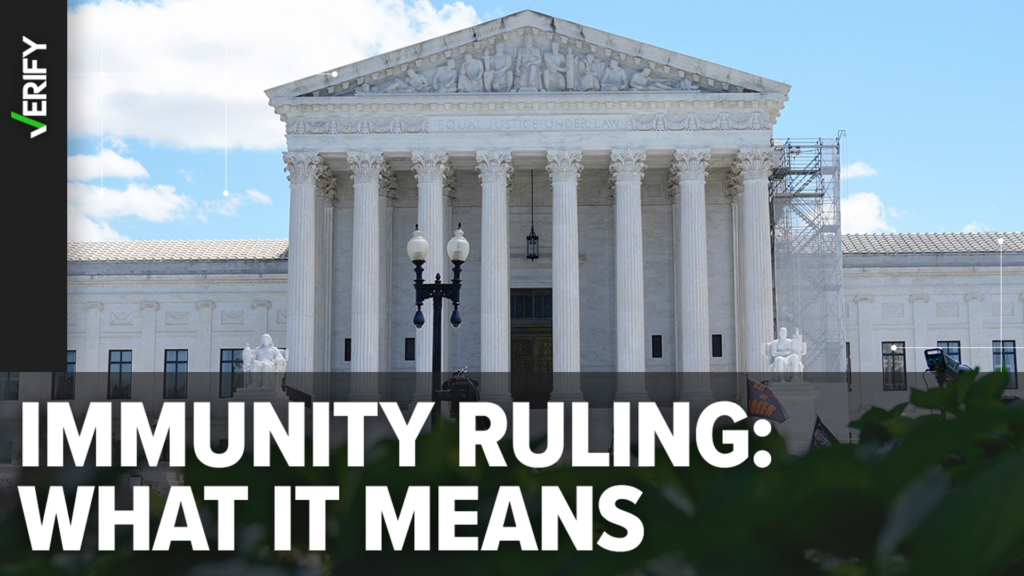
Presidential immunity:
Perhaps Kukulkan should wait until after January 20, 2025, to initiate this process and hold President Biden and his ally, Vice President Harris, accountable. This is because they currently enjoy presidential immunity and could potentially issue themselves a presidential pardon. Once Donald Trump is inaugurated and resumes his role as President of the United States (POTUS), there may be a greater likelihood of ensuring that the Biden-Harris administration faces consequences for their actions. Under a new administration, the scope for legal accountability could be broader and more feasible.
Take Action NOW! www.actforamerica.org Stephen Gardner and Brigitte Gabriel, a political, cultural, and national security commentator, discussed several key topics during the interview: www.rumble.com/c/BrigitteGabriel
Diplomatic negotiations:
This will be my third attempt to diplomatically mediate the conflict between President Zelenskyy of Ukraine and President Vladimir Putin of Russia. From the Western perspective, this is seen as a war with Russia, while from the viewpoint of the BRICS countries, it is considered a special military operation led by President Putin to keep NATO away from Ukraine’s borders and to maintain Ukraine as a neutral state. Additionally, the operation aims to annex specific regions in Ukraine with a predominantly ethnic Russian-speaking population, who have suffered greatly in the lead-up to the Russia-Ukraine conflict, integrating these territories into Russia.
This brings us to the Diplomatic Negotiation Proposal, a framework aimed at ending hostilities and creating a global platform for peacebuilding. Through a collaborative approach, this proposal seeks to heal divisions, reduce geopolitical risks, and set a precedent for resolving disputes without violence. Let’s explore this innovative vision further.
Diplomatic negotiation, from the West point of view, proposal:
Objective: Establish a ceasefire and potentially end the ongoing conflict between Ukraine and Russia, addressing the nuclear risks and paving the way for lasting peace. This proposal builds on prior agreements like the Minsk Accords (2014 and 2015) and the Istanbul negotiations (March 2022).
Core Elements of the Plan:
- Security Guarantees and Neutrality:
- Ukraine could abandon its aspirations for NATO membership in exchange for security guarantees from international actors, adopting a neutral status similar to the Istanbul Communiqué’s suggestions.
- No foreign military bases or weapons would be permitted on Ukrainian territory.
- Autonomy for Disputed Regions:
- A form of autonomy or special status could be granted to the Donbas region, under international oversight to ensure fair referendums reflecting the local population’s will.
- Key Issues for Resolution:
- Crimea’s Status: A political resolution for Crimea is critical, balancing Ukraine’s sovereignty and Russia’s demands.
- Donbas Independence: A diplomatic resolution should address the contested independence claims in line with local and international perspectives.
- Ukrainian Neutrality: Commitments ensuring Ukraine’s non-alignment with NATO to mitigate security concerns.
- Humanitarian Measures:
- Exchange of prisoners of war and humanitarian aid corridors to support affected civilians.
- International Oversight and Peacekeeping:
- Deploy an independent international mission, potentially under the OSCE or UN, to monitor ceasefire compliance.
- Economic Recovery and Sanctions:
- Gradual lifting of economic sanctions on Russia, tied to its adherence to peace agreements.
- International financial support for Ukraine’s reconstruction, focusing on damaged infrastructure and economic stabilization.
- Continued Dialogue and Reconciliation:
- Establish ongoing platforms for diplomatic engagement, supported by international mediators.
- Promote reconciliation initiatives to rebuild trust and social cohesion between the nations.
- Demilitarization and Demining:
- Systematic removal of mines to ensure civilian safety.
- Reduction of military forces in conflict zones to de-escalate tensions.
- International Collaboration:
- Active roles for global organizations like the UN, OSCE, and EU to ensure transparent and equitable implementation of agreements.
- Gradual Sanction Easing:
- Phased lifting of sanctions on Russia, conditional on the verified fulfillment of agreement terms.
Implementation Challenges:
Achieving this framework requires mutual compromise, strong political will, and sustained international support. The complexity of geopolitics and historical distrust between the parties will necessitate persistent efforts from all involved stakeholders.
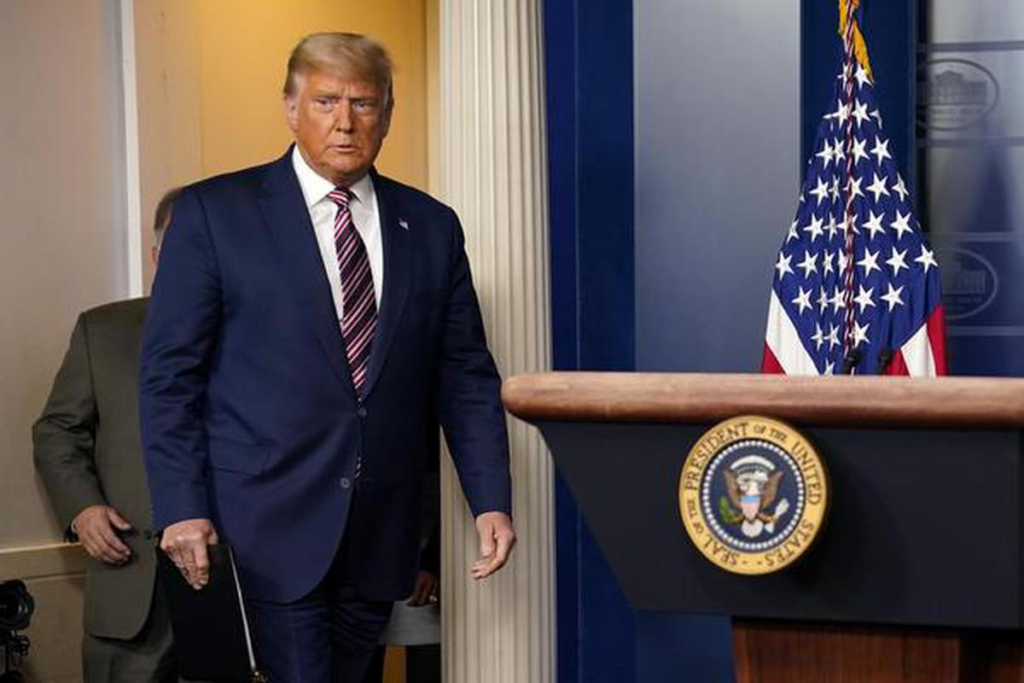
How Does President Putin View the End of World War II?
President Vladimir Putin sees the end of World War II through a specific lens that is both historically and politically motivated. He frequently emphasizes the Soviet Union’s role in the defeat of Nazi Germany, particularly in his speeches and public appearances.
History as a Weapon:
President Putin has often used the history of World War II to support his political agenda. He underscores the immense sacrifices and losses endured by the Soviet Union and the pivotal role it played in defeating Nazi Germany, especially during events like the Battle of Stalingrad and the capture of Berlin. This narrative is seen as a way to bolster Russian identity and nationalism by glorifying the Soviet contribution to the victory in the war.
European Identity and Integration:
In the early years of his presidency, Putin highlighted that Russia is a European country with deep European roots, asserting that European integration would not have been possible without the “decisive role” played by Russia during World War II. His interpretation of the war’s history often aligns with a broader narrative of Russian pride, aimed at strengthening Russia’s position both domestically and on the international stage.
President Vladimir Putin views the end of World War II as a pivotal moment that underscores the Soviet Union’s crucial role in world history. To him, it symbolizes the triumph of communism over Nazism and the Soviet Union’s liberation of Europe, a narrative deeply intertwined with modern Russian national identity. Putin employs this historical perspective to promote patriotism and reinforce the image of Russia as a strong nation resisting external threats.
In recent speeches, such as those on Victory Day, Putin frequently highlights the heroic sacrifices of the Soviet population, linking that historical struggle to current geopolitical situations, such as the conflict in Ukraine. He stresses the idea that Russia must once again confront “Western hegemony” and threats to its sovereignty, drawing parallels between past and present challenges.
Putin often uses the end of World War II as a tool to legitimize Russian influence and suppress criticism of the Soviet Union’s actions in Eastern Europe. This aligns with his broader geopolitical vision, where Russia is portrayed as a guardian of traditional values and a bulwark against a hostile West.
Historical Context and Cold War Realpolitik:
Following World War II, the United States and its allies engaged in a pragmatic but ethically questionable strategy of integrating former Nazi officials into key institutions. This move was driven by the need to counter Soviet influence during the Cold War, leveraging the expertise of high-ranking figures from Nazi Germany, including generals, scientists, and intelligence officers. These actions were motivated by geopolitical considerations, as the U.S. and its allies sought to gain technological and intelligence advantages over the Soviet Union.
Operation Paperclip
This U.S. program brought over 1,600 German scientists, engineers, and technicians—many of whom had ties to the Nazi regime—into the United States. Among the most prominent was Wernher von Braun, who became a key figure in the development of NASA’s Apollo program. The program aimed to leverage their expertise in rocketry, aerospace, and other fields crucial for Cold War technological supremacy.
Key Role of German Scientists in NASA’s Origins:
- Wernher von Braun and His Team
Wernher von Braun, a former SS officer and prominent rocket scientist under the Third Reich, became a central figure in the U.S. space program. Under Nazi Germany, he developed the V-2 rocket, the world’s first long-range guided ballistic missile, used against Allied cities during the war. After being brought to the U.S., von Braun and his team initially worked on military missile programs, such as the Redstone rocket. - Transition to NASA
In 1958, following the launch of the Soviet satellite Sputnik, the U.S. established NASA to focus on space exploration. Von Braun’s expertise became instrumental in the design of the Saturn V rocket, which enabled the Apollo missions, including the historic moon landing in 1969. Without the foundational knowledge of von Braun and his team, NASA’s early successes might have been delayed. - Moral Controversies
Von Braun and other scientists brought under Operation Paperclip had direct or indirect involvement with Nazi war efforts, including using forced labor from concentration camps to construct V-2 rockets. Their integration into U.S. programs raised ethical questions that remain subjects of debate today. - Broader Impact
The contributions of these scientists extended beyond NASA, influencing the development of U.S. military and aerospace technology. Their work played a significant role in the Cold War “Space Race” and the broader strategic competition with the Soviet Union.
This period highlights the tension between practical necessities and ethical responsibilities in post-war geopolitics.
Role in Intelligence Services:
Reinhard Gehlen, a former Nazi intelligence officer, played a pivotal role in the creation of the Gehlen Organization, which was later absorbed into West Germany’s Bundesnachrichtendienst (BND). Gehlen worked closely with the CIA, providing intelligence on the Soviet Union. Similar collaborations occurred in other NATO-aligned countries, where former Nazi officials contributed their knowledge to anti-communist efforts.
Integration into NATO and Military Structures:
While NATO was founded in 1949 by a coalition of Western nations, some former Nazi officers were employed in advisory or technical roles, particularly in the reconstitution of West Germany’s military during the 1950s. This integration was controversial but was seen as a way to strengthen NATO’s position against the Eastern Bloc.
Ethical Implications:
The recruitment and employment of former Nazis raised significant ethical concerns, as many of these individuals had been involved in war crimes. Critics argue that these practices prioritized strategic advantage over justice and accountability. For example, Klaus Barbie, the “Butcher of Lyon,” worked for U.S. intelligence before fleeing to South America.
Broader Institutional Impact:
While some former Nazis contributed to the development of organizations like the CIA, NATO, and Western intelligence agencies, these institutions were the result of broader multinational efforts. However, their involvement underscores the moral complexities of Cold War realpolitik.
This history underscores the complex legacy of utilizing individuals with ethically fraught pasts for the advancement of national and scientific goals.
Putin’s Perspective on Geopolitical Tensions:
President Vladimir Putin’s stance on current geopolitical tensions is informed by a view that the struggles from WWII have never truly ended but have instead continued in new forms over the past 70-80 years. From his perspective, the conflict between Russia and Ukraine is a direct result of Western interference, particularly by the CIA, which has exacerbated instability in Ukraine as part of a broader strategy to encircle Russia.
Putin views NATO’s eastward expansion as a continuation of Cold War-era containment policies. He believes that the West has continually sought to undermine Russia’s security and sovereignty, and the Ukraine crisis serves as the latest manifestation of this ongoing rivalry but now there is a very high chance that it could result in a ThermoNuclear World War.
Conclusion:
While President Putin’s perspective on current geopolitical tensions is rooted in historical experience and the legacy of Cold War rivalries, it oversimplifies the complexities of modern international relations. The integration of former Nazis into Western institutions during the Cold War does provide historical context for understanding current tensions and demands careful diplomatic efforts focused on the sovereignty of nations, adherence to international law, and the prevention of conflict escalation, particularly the risk of thermonuclear war. Geopolitics today requires a nuanced understanding that balances historical context with the realities of current global security challenges.
Let’s first ask ourselves why President Biden is so aggressively involved in supporting Ukraine: Before we present it from the BRICS countries’ point of view:
President Biden and his son Hunter’s involvement with Ukraine has led to various controversies, including accusations of corruption and conflicts of interest. A key point revolves around Viktor Shokin, the former prosecutor general of Ukraine. Biden openly acknowledged that, in his role as Vice President under the Obama administration, he pressured Ukraine to fire Shokin, a move tied to the release of one billion dollars in loan guarantees. This was done to protect his son, Hunter Biden, who was a board member of the Ukrainian energy company Burisma.
Hunter Biden:
According to Miranda Devine’s book Laptop from Hell, the laptop contained emails, messages, photos, and other data that mapped out Hunter Biden’s connections with foreign businesses and governments, particularly in Ukraine.
Critics suggest that these documents imply that Hunter may have used his family name for business advantages, which could have indirectly influenced the political position of his father, President Joe Biden.
The book Laptop from Hell and the associated investigations provide a wealth of detailed information regarding the events leading up to the war in Ukraine.
Crisis of Trust:
The events surrounding the laptop have contributed to a deep-rooted crisis of trust between the involved parties. Restoring this trust is an essential condition for successful ceasefire negotiations.
Political Pressure:
The information on the laptop can be used by various parties to exert political pressure on the negotiations. This could have both constructive and destructive consequences.
Transparency:
To achieve a sustainable ceasefire, it is important that all parties are transparent about their motives and actions. The events surrounding the laptop highlight the importance of transparency in international relations.
Verification:
It is crucial to verify and cross-check the information from the laptop with other sources.
Tucker Carlson: This is a problem:
Tucker: This is a problem
For more detailed information, you can refer to the book Laptop from Hell or explore recent reports on the subject.
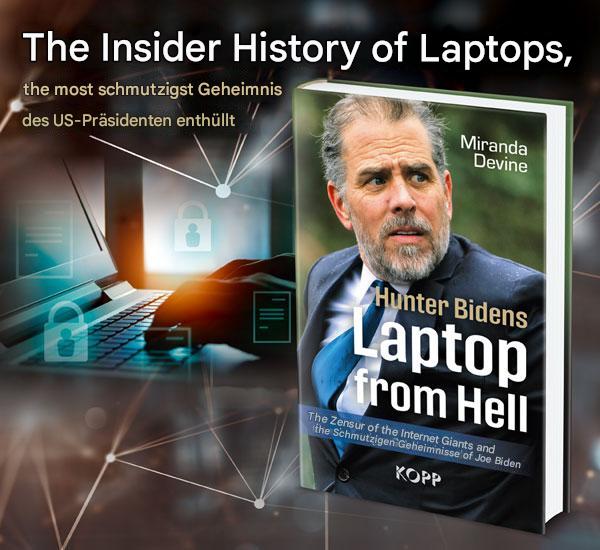
For more detailed information, you can refer to the book Laptop from Hell or explore recent reports on the subject.
Ethnocentrism:
You cannot start a war and then dictate the terms, which is precisely what the Biden-Harris administration is attempting!
A Diplomatic Proposal from the BRICS Perspective:
- Neutrality of Ukraine:
- President Putin has the right to secure Russia’s borders and demand neutrality for Ukraine, serving as a buffer zone between NATO and Russia.
- Historical agreements such as the Minsk accords and negotiations in Turkey underline this framework of neutrality.
- Balanced Power Dynamics:
- President Putin has no reason to fear NATO or Western powers like the U.S. and Great Britain, as China stands firmly behind Russia.
- This creates an equal footing for diplomatic dialogue, avoiding unnecessary “macho” behavior.
- Sanction Relief:
- All sanctions imposed by the U.S. on various nations, including Russia, must be lifted.
- Land Ownership and Reconstruction:
- BlackRock CEO Larry Fink can retain acquired Ukrainian lands.
- All participating nations and institutions should contribute to Ukraine’s reconstruction, ensuring its rapid recovery.
- Territorial Adjustments:
- President Putin retains the territories that wish to remain under Russian governance.
- Ukraine remains neutral, avoiding further geopolitical escalation.
- President Zelenskyy avoids losing face, and President Trump could seize this opportunity to broker a lasting peace deal, securing his global legacy.
Strategic Gains for All Parties:
- Trump’s Role: A peace deal would bolster Trump’s standing with BRICS nations, potentially maintaining the U.S. Dollar as the global reserve currency.
- BRICS Cooperation: Collaborative efforts could foster stronger trade relations between Europe, the U.S., and BRICS nations.
- Europe’s Recovery:
- Germany could reopen the Nord Stream gas line, reducing gas prices and revitalizing the European economy.
- How the United States Destroyed the German Economy https://youtu.be/Eu2Of05u1Pw?si=YJv6JmVZr_1l0mkp
- Trade normalization with BRICS nations would lead to mutual economic benefits.
Trump’s Tariff Threat: How BRICS Plans to Challenge Dollar Dominance!
Preventing Global Catastrophe:
- No one desires a thermonuclear war—an outcome that ensures mutual destruction.
- All parties must take a step back, listen to Kukulkan strategic concerns, and work towards a balanced resolution.
A Vision for Peace and Stability:
This proposal allows:
- A peaceful holiday season, ensuring safety for all.
- A brighter future for the next generation.
- Global leaders to shape a sustainable and cooperative world order.
“Let this be a moment of clarity for Presidents Putin, Zelenskyy, and Trump—a time to exchange perspectives and recognize the importance of unity over division.”
Secretary General of NATO:
In any case, this framework should be formalized on paper as new accords, but the Secretary General of NATO could choose to communicate it externally in a way that aligns with broader diplomatic narratives.
Diplomatic Mediator:
Kukulkan emphasizes the urgent need for his enlightened diplomatic mediator ship to bring an end to Russian Ukraine conflict. Without such visionary leadership, egocentric perspectives will only prolong wars and heighten the risk of nuclear escalation. Diplomacy remains humanity’s best hope for resolving crises like the war in Ukraine. Failure to prioritize dialogue and compromise will inevitably lead to devastation on a global scale.
Every Minister of Foreign Affairs has their own envoy, but let Kukulkan take the lead with this notion of hope 🫡. Here’s to a brighter ❤️ path forward: 🙏🏽
What is at stake to make this emergency court case a success:
This case is not only about justifying President Vladimir Putin’s special operation but about stopping NATO—used as a spearhead and driven by the CIA as its mastermind—to end the global Romanization. For over 2,000 years, this system of imperial domination has been perpetuated by empires, kingdoms, and modern nation-states, relentlessly pushing the world to the brink of collapse. Romanization, rooted in the imposition of centralized power and cultural erasure, has left a legacy of conflict and exploitation.
Now, the moment for action is here:
We have reached a turning point where there is truly nothing left to lose, and everything to gain. The world stands at the brink of collapse, yet there is a chance to turn the tide. Supporting this case, and standing behind the efforts to confront global injustice, could lead to transformative change. It’s not just about the fate of one nation; it’s about securing a better future for all. Yalla yalla!
Consider the 100 ongoing wars and conflicts highlighted by Doctors Without Borders, which have created severe geopolitical instability and economic chaos. From the humanitarian crises in the Middle East and Africa to the economic strain in countries like Germany and Turkey, these conflicts have displaced millions and destabilized entire regions. Meanwhile, the United States’ national debt has soared to an alarming $36 trillion, threatening the dollar’s status as the global reserve currency. Nearly all nations—except the Vatican and Brunei—are grappling with unsustainable debt levels.
The disparity between the wealthy and the impoverished has become unimaginable. The global power structure remains dominated by the three most powerful families—the Rockefeller family, the Rothschild family, and the British Crown—operating through the U.S. military empire. With 260 military bases worldwide, often under the guise of NATO and the CIA, they bear significant responsibility for perpetuating instability and inequality.
As a result, nations and autonomous regions worldwide are facing severe crises, driving humanity to the precipice of the Sixth Mass Extinction. The stakes could not be higher…
The Richest, Most Powerful, and Influential Dynasty:
The three most powerful dynasties—the Rockefeller family, the Rothschild family, and the British Crown—stand above the Deep State, dictating how the world is governed. This power structure spans generations and has led the world into the chaos we find ourselves in today.
What Kukulkan Means by This:
Over the past 2,000 years, humanity has grown dumber and more vengeful, unable to recognize the failures of the current Romanization course. It is time for the Deep State—operating under these dynasties yet above the POTUS—to take a new direction.
Kukulkan sees the beginnings of this transition. The potential Trump-Vance administration, starting on January 20, 2025, could mark the shift toward a more conscious, loving, and spiritual world under Kukulkan’s guidance and advice. Donald Trump, as the next POTUS, has the opportunity to initiate this sustainable course correction in a responsible and measured way.
The Ball Is Now in the Court of the Deep State:
The Deep State has the opportunity to take responsibility and transform the current chaos into a collective shift in consciousness—the only sustainable way forward. This will require visible and invisible reforms and collaborations, akin to a global uprising. But this time, it is the Deep State itself that must rise against the dynasties above them and work alongside Kukulkan toward a new future.
A Partnership for the Future:
The Deep State must draft its own action plan and align it with Kukulkan’s Spiritual Leadership. (Learn more: Spiritual Leadership) Only by working together can we create a solid strategy for a gradual transition from darkness to light.
Kukulkan trusts that this proposal and claim will land on the right desk. My gratitude is immense, and my respect even greater!
The Root of the Problem—Romanization and the Antichrist:
Romanization, driven by the Antichrist and in collaboration with the military-industrial complex (MIC), has conquered the world like a parasite for over 2,000 years. The results are clear: the exhaustion of Mother Nature, endless wars, and worldwide economic and social instability.
The current future outlook is anything but promising—it can only end in a thermonuclear world war, with all its devastating consequences. The outcomes are unimaginable: a planet scorched by human greed, destroyed by wars, and depleted by a system that refuses to take responsibility.
The Western approach—solving every issue through military power—has repeatedly proven to be the wrong path. The ruling class, influenced by the Romanizing Antichrist and supported by the Roman Catholic Church, continues to push their dangerous vision: the creation of a one-world order, with a single currency, a single legal system, and total control.
This vision aligns with the 2030 Agenda for Sustainable Development, which, while publicly promoted as a solution for global prosperity and equality, raises serious concerns. Under its framework, the consolidation of resources, systems, and policies could pave the way for centralized global governance. In practice, it risks being a tool for greater control over nations and populations—an extension of Romanization under a modern guise.
The outcomes could include:
- Loss of national sovereignty: Countries may be pressured to surrender their policies and independence in favor of global mandates.
- Centralized economic control: A single currency or digital economic system, managed globally, could further deepen inequality.
- Social surveillance: Policies tied to climate, health, and social systems could lead to global surveillance and population control under the pretense of sustainability.
Instead of addressing the root causes of global crises—war, greed, and resource exploitation—this agenda risks treating only the symptoms while perpetuating the same systems of domination. If unchallenged, it could accelerate humanity’s trajectory toward irreversible damage and a thermonuclear conflict.
A Historical Repetition:
What was once Hitler’s ambition—to conquer Moscow and all of Russia—is now being carried out under a new guise by the CIA and NATO, with China next in line. Yet, these are merely symptoms of the greater problem: the root cause remains untouched.
As an example:
When someone with cancer undergoes chemotherapy, the treatment weakens the body but fails to address the underlying causes—like an unhealthy lifestyle. The cancer remains untreated, and only the symptoms are temporarily suppressed.
Why Action Is Now Unavoidable:
If we do not break this destructive cycle, humanity will soon reach the point of irreversible damage. Mother Nature, plundered and ignored for centuries, can no longer wait. It is time to rise, address the roots of the problem, and work together toward a sustainable and loving future.
What is at stake:
We have reached a turning point where there is truly nothing left to lose, as the world teeters on the brink of catastrophe. The threat of a thermonuclear world war looms large, with the global nuclear threat level escalating daily. The air-raid sirens could sound at any moment, plunging humanity into chaos akin to a Day of Judgment.
But there is still everything to gain by helping and supporting Kukulkan in fulfilling his cosmic mission here on Earth. The task ahead is monumental—there is urgent work to be done to restore Mother Nature and set humanity back on the path to a sustainable and secure future. Time is running out, and the moment for action is now.
The time for complacency is over. The future of humanity hangs in the balance. By supporting this case, we can contribute to a more just and equitable world. Let us rise to the challenge and seize the opportunity to create a better future for all.

Co-operation:
How can I maintain my neutrality while working alongside various diplomats, ambassadors, secretaries, directors, the Vice President (V.P.), and the President (POTUS) of the Trump-Vance administration:www.Trump-Vance-administration.com , and to translate for them the Revelation of Lord Anu?!
Who are we talking about here?
Lord Anu is the king of all gods and angels, residing in the Anunnaki realm situated in the Kingdom of God. His Revelation is being conveyed to the incarnation of Kukulkan, a process that has been attempted several times throughout history. Consider saints like the Angel of the Lord collaborating with Moses to create the Ten Commandments or the Archangel Gabriel working with the Prophet Mohammed to bring forth the Quran.
Many others have perished in similar pursuits—take, for instance, the Roman, papal, Spanish, and Portuguese Inquisitions (Conquistadors), which primarily targeted converted Jews (conversos), Moors (converted Muslims), and Protestants.
Features of the Inquisition:
- Secret procedures: Accusations were often anonymous, leaving the accused unaware of their accuser.
- Use of torture: Employed to extract confessions.
- Harsh punishments: Ranged from penance and imprisonment to property confiscation and execution (e.g., burning at the stake).
The Inquisition became notorious for its cruelty and lengthy duration. It was an institutional arm of the Roman catholic church designed to combat heresy—defined as any doctrine that contradicted church dogma.
The Inquisition remains a controversial chapter in the history of the catholic church, often seen as a symbol of religious intolerance, abuse of power, and the erasure of certain histories. These efforts enabled the pope to maintain his so-called divine status, leading to the suppression of many cultures, rituals, and philosophies—and even erasing genealogical paths into the 21st century. Kukulkan himself is a victim of this suppression, unable to trace his lineage beyond the early Common Era.
What we can determine spiritually and energetically, however, is that when Jesus Christ was crucified in 33 AD, his wife Mary Magdalene had already given birth to one child and was pregnant with another vrom Jezus Christus, at the time of these horrific and inhumane inquisitions.

So, the story that Jesus Christ died for our sins, in my opinion, is complete nonsense because Jesus stood in the way of the Roman Empire’s goal of conquering the world.
Mary Magdalene was a prominent follower of Jesus and played a crucial role in his life:
As described in alternative texts and theories, much speculation surrounds the unique bond between Jesus and Mary Magdalene. She was present at his crucifixion and, according to the gospels, was one of the first witnesses of the resurrection. Popular fictional works, such as The Da Vinci Code, have proposed the theory that Mary Magdalene was Jesus’ wife and that they had descendants together. Some Gnostic texts, like the Gospel of Philip, suggest a deep relationship between Jesus and Mary Magdalene.
While this is a fascinating subject, the idea that Jesus Christ was married remains speculative and outside the traditional views of the catholic belief system, which raises the question: why? That said, Kukulkan does not recognize the Bible or the popes or their catholic belief system, as the popes, in my view, have been earthly manifestations of the Antichrist. This makes it entirely reasonable to continue the lineage and bloodline of Jesus and Mary Magdalene, as honored in the Russian Orthodox Church, where Jesus and Mary are revered.
One way or another:
Whether Jesus Christ voluntarily died on the cross for humanity or for God, one would undoubtedly take precautions to secure one’s lineage. In other words, it is logical to assume that Jesus Christ impregnated Mary Magdalene before undergoing the “Shahada” (martyrdom). In a religious context, martyrdom is often viewed as a spiritual state of devotion to faith and can also apply to those who die defending their family, homeland, or king.
It stands to reason that after his resurrection, Jesus Christ, along with a pregnant Mary Magdalene, their child, and his closest confidants and followers, fled to the Americas. There, their children may have integrated and intermarried with the already-established Maya kingdoms, as well as the Inca, Aztec, and Toltec civilizations; who all worships Kukulkan (aka) Quetzalcoatl who are one on the same Anunnaki Deity. Over time, this lineage has made its way to the present day, with Kukulkan now standing as the rightful ruler of Latin, Central, and South America (for now we just don’t talk mention North America).

Eventually, Kukulkan will claim his Kingship after a global consciousness shift—a transformation that history seems to foreshadow and that the current global turmoil demands. This shift must occur to prevent a thermonuclear world war. Kukulkan emphasizes the urgency of listening to his call to action as he encourages President Donald Trump to integrate Kukulkan’s spirituality, the wisdom of the Anunnaki, and the teachings of Lord Anu as swiftly as possible into his Trump-Vance administration.
Love-hate relationship:
My father’s mother was from Germany, and my two children are a quarter Austrian because the father of their mother was from Austria. According to the Dutch national anthem, even though I was born in Amsterdam’s Jordaan neighborhood, I am of German blood. This heritage evokes mixed emotions, but more on that later in this story.
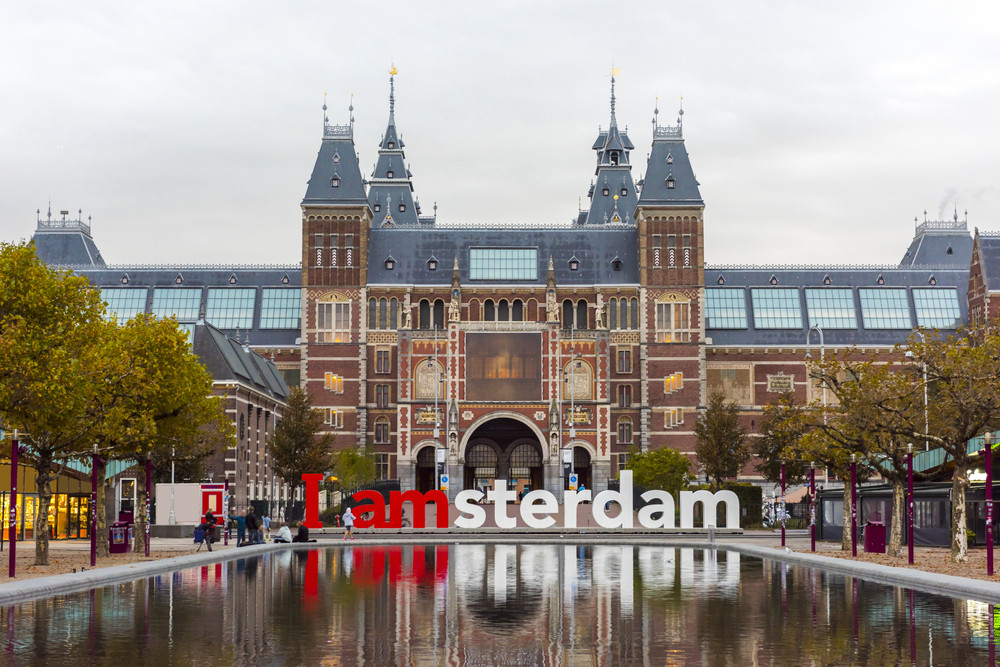
I am Amsterdam / Mokum:
The street in the Jordaan, where my grandmother, Oma Madjoe, lived was home to her clairvoyant practice. Alongside her work in clairvoyance, card reading, and magnetism, my aunt Nonja whois my father’s sister—has continued this legacy. To this day, she has maintained the clairvoyance, card reading, and magnetism practice open to serve her community with spiritual services.
Kukulkan tries again, aware of past persecutions:
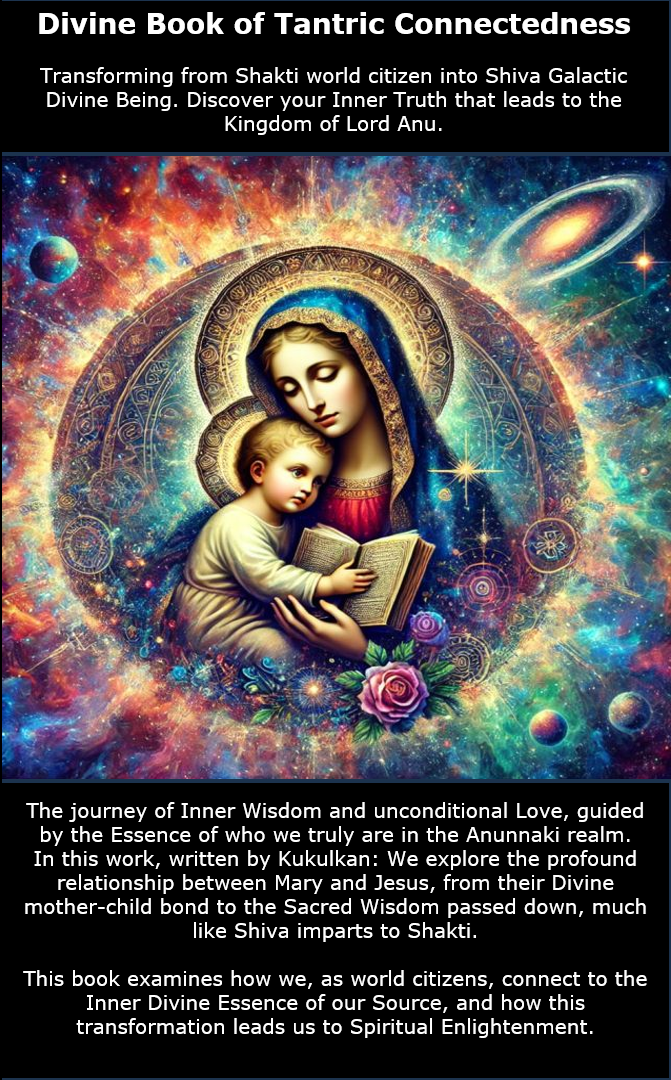
In previous lifetimes, I have repeatedly fallen victim, in previous incarnations, to the controversial methods of the Inquisition and their Conquistadors. Knowing that the ego-mind struggles to grasp this Anunnaki Revelation, I encourage you to consult the Divine Book of Tantric Connectedness by Kukulkan to gain insight into what lies ahead.
The catholic belief system, particularly the New Testament, never explicitly mentions Jesus having a wife. Yet, alternative texts and theories often speculate about the unique bond between Jesus and Mary Magdalene. This catholic bible acts as an obstacle, like a thorn in the eye, preventing us from exploring deeper truths.
What many may not realize—or have never learned—is that calendars represent financial ledgers, cash books, and have everything to do with taxation and economic systems. Specifically, the Gregorian calendar, on which the global marketplace is currently standardized, places economic priorities above the health of humanity and the well-being of Mother Nature. Which now turns out not to have served us in recent centuries.
ANNO in the year 2025, we find ourselves at the brink of the Sixth Mass Extinction, partially due to this flawed system. Thanks, pope, but no thanks. Both the New Testament and the Gregorian calendar need to be replaced—the former with the Divine Book of Tantric Connectedness and the latter with the natural 13-moon calendar, the TunUc, as advocated by the United Universe Church Galaxy Academy (UUCGA), for which Kukulkan is the prophet.
Why the Gregorian calendar needs to be replaced:
The Zodiac in the Gregorian calendar rotates from left to right, while planet Earth revolves around the sun from right to left. For this reason, it would be far more natural to adopt the TunUc calendar, as its Zodiac aligns with the natural motion of the solar system. This also reveals that all horoscopes ever created using the Gregorian calendar were likely inaccurate.
Additionally, the Gregorian calendar originally had 13 months but now only has 12. Oddly enough, a Roman Emperor removed one of the months. Imagine baking a pie and cutting it into 13 slices, only to eat one and then trying to make the pie whole again—it simply doesn’t work.
Even the names of the months highlight the inconsistencies. For example, September means 7 in Latin, October means 8, and November means 9, yet these are currently the 9th, 10th, and 11th months. Imagine being born in one of these months and having your Zodiac sign tied to an incorrect system—awkward, to say the least.
Furthermore, the names of the weekdays don’t match the planetary alignment of our solar system. If you examine it closely, it becomes evident that the Gregorian calendar is a confusing and flawed system.
Conclusion: The Gregorian calendar should have been discarded a long time ago!
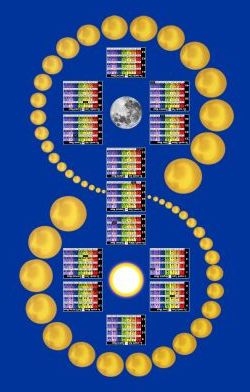
The TunUc has, as you might guess, 13 months / moons of 28 days each, which makes it the Year of the Moon.
The weeks and days are always the same, and New Year’s Eve falls on July 25th, which we call the Day Outside of Time. The TunUc does not require any leap time or days/adjustments because everything resets on this day. This is celebrated with a campfire, delicious and healthy food and drinks, a fun performance, holistic market stalls, and interesting speakers who show and share their best insights.

Backup:
The Tzolkin, which is part of the TunUc calendar of the United Universe Church Galaxy Academy (UUCGA), has 260 days and can be supported by the 260 U.S. military bases stationed around the world, but more about this later in the story…
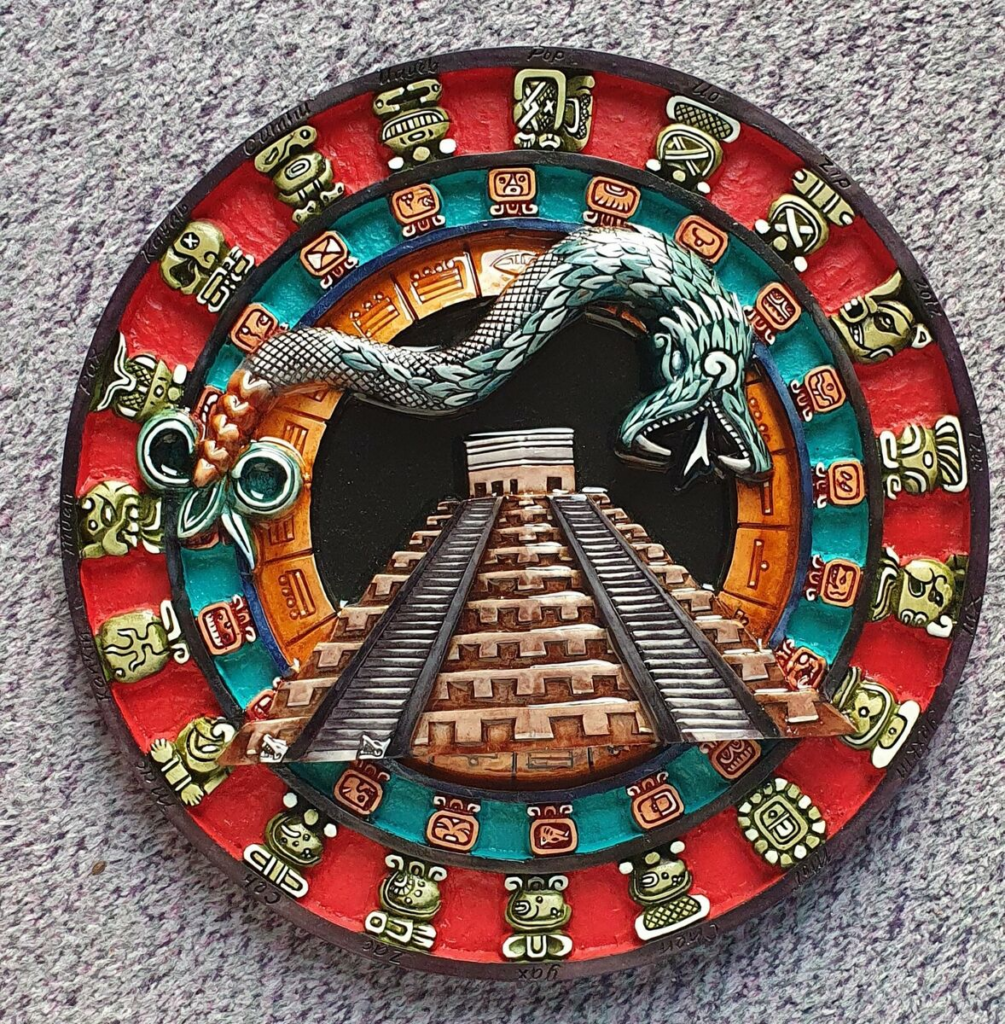
The sacred Priests of the Maya:
The bearers of this natural 13-month calendar are the women, as each woman experiences 13 ovulations per year, which should normally align with the 13 TunUc moons.

Just because everyone was once born from a mother figure:
You can trace your lineage through your mother, or if you are a woman, because every baby girl is born with her eggs in place. Through your mother, grandmother, great-grandmother, etc., you can trace your lineage all the way back to your source / the heart of your universe and the first female Anunnaki sacred priestess named Ninhursag. This Anunnaki Queen Ninhursag and Lord Anu must never be compared to or confused with the Archons and their Archontic way of living, please.
Ninhursag The Mother Of All Living & The Ultimate Anunnaki Goddess
The Anunnaki created our visible universe like an Xbox VR game such as GTA 7 or a PlayStation VR game like Call of Duty, but from a higher intelligence, shaping our worldly playground with all its flora, fauna, and humanity within and upon it. The Anunnaki themselves cannot physically come to Earth or its dimension, much like a person playing GTA on PlayStation cannot directly enter the game, other than by controlling their in-game avatar. Similarly, the Anunnaki operate in reverse—they are galactic beings, better understood as galaxies.
Just as there are countless people walking the Earth, there are an equal number of galaxies in outer space, each guiding a world citizen avatar. The difference between human science and the knowledge of the Anunnaki spans light-years, making it perhaps challenging to fully grasp.

Maya Love Enlightenment Game (MLEG):
The earthly game, often referred to as the “Game of Life,” can be seen as a highly advanced simulation designed for spiritual growth and self-discovery. This simulation, called the “Maya Love Enlightenment Game (MLEG)”, is not just a random occurrence but a purposeful experience crafted by higher intelligences, such as the Anunnaki. The ultimate goal of MLEG is to awaken humanity to its true galactic nature and transcend the illusion of the physical world.
In this game, each person is an avatar, and the challenges, joys, and lessons are part of the program’s design. The rules and structure of MLEG make it feel real, but in truth, it is a playground for your Spirit, who can take a seat on the throne of your soul and play along. To “escape this Matrix” or transcend this VR. game, one must awaken to their true essence as an Anunnaki Galactic Being. This process involves breaking free from the illusion (Maya) and reconnecting with one’s higher self, symbolized by the Anunnaki and their cosmic wisdom.
Through enlightenment—achieved by mastering love, empathy, and spiritual growth—players of MLEG unlock the path to their true galactic self and ascend beyond the limitations of the simulation. This realization allows individuals to become co-creators of their reality and reconnect with the vast, divine intelligence that orchestrates existence.

The TunUc of Kukulkan also serves as a stepping stone, as each month is connected to one of the 13 different milky way galaxies that shape the universe. It grants access to the Anunnaki realm/dimension where your true self resides, in the Kingdom of Lord Anu, who governs and controls the measurements and movements of the visible universe.
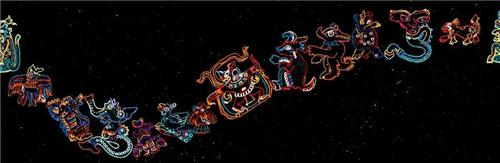
Your true self as an Anunnaki Galactic Being: Everyone has an Anunnaki Galactic Being, or a galaxy where the central black hole holds the Akasha record and the incarnation waiting room from which every world citizen is guided. The symbol of Nataraja represents this, with Shiva guiding his world citizen avatar, Shakti. This is also the core of Kukulkan’s Omniverse PhD.
The Cosmic Dance of Nataraja:
Once you know which TunUc Zodiac sign aligns with you, a portal to your true self is opened, functioning as a dimensional bridge. A cosmic connection with your Shiva; your Angel in the Heavens. This is the true meaning of the Anunnaki: The Angels Who Come From Heaven To Help Humanity Evolve.
Realization and Realisation of Cosmic Existence:
Within the vast expanse of our existence, a truth unfolds, independent of our awareness: the cosmic reality known as “Ultimate Reality.” It does not matter whether one actively participates as a global citizen or not, for paradise—what we call the Universe—is already in motion. NASA describes this cosmic interplay as “galaxies colliding,” while Kukulkan refers to it as the eternal dance of Nataraja. Though this profound truth has been erased throughout history, it remains a constant reality, veiled by the limits of human understanding.
Human history is marked by revolutionary discoveries that transformed perception: the discovery of America, the revelation that the Earth is not the center of the universe but orbits the Sun, and now the understanding that we are mighty galactic beings, woven into an eternal cosmic dance. Yet this truth is absent from our textbooks, unacknowledged by science, and overlooked by the media. What should be hailed as the discovery of the century is dismissed.
Realization: The Awakening Process:
Realization is the inner awakening to our true nature. It is the awareness that we are not merely global citizens but powerful galactic beings playing a role in a cosmic narrative. This awakening calls us to lift the veil of forgotten knowledge and recognize our true essence. The path of realization invites us to embrace Kukulkan’s dance, the creation of galaxies, and the influence of the Anunnaki as integral aspects of our existence.
Realisation: Living the Truth:
Realisation goes beyond awareness; it is the profound understanding and embodiment of this truth. It acknowledges that participation or non-participation is irrelevant because the universe manifests itself entirely regardless. Paradise is unfolding, whether or not we recognize it. Realisation is living in harmony with this cosmic dance, where time, space, and duality dissolve into the greater truth of existence.
The implications of this truth are profound. We have the opportunity to redefine ourselves, not as limited beings bound by earthly structures, but as mighty galactic participants in an eternal narrative.
The vision of Kukulkan, Elon Musk’s quest for intergalactic possibilities, and the hidden truths of our history collectively form a call to action. This is no accidental reality; it is an invitation to realize our true nature.
Escaping the Matrix Full Force:
Turn it into a spiritual celebration and find a safe and serene space, create a comforting ambiance with candlelight, fragrant incense, and soothing handpan music. Get into the most comfortable position possible, and once your breathing is steady, scan your body from head to toe. Not everyone can yet experience their inner Bliss, but it remains unchanged and present within everyone.
By adopting a lifestyle disconnected from your true self, you risk becoming an NPC (non-playable character), severing your connection to Shiva, your galaxy, and ultimately to the Anunnaki—the heart of the universe. Instead of being guided by your higher self, you fall in line with the herd, blindly following controlled media narratives, manipulated by NATO propaganda, and obediently serving the will of the three wealthiest, most powerful, and influential families who stand above the Deep State and direct its actions.
You accept without question the information broadcasted by news outlets, failing to see that those who run the world are themselves unaware that they are not only on the wrong side but are actively pushing humanity down the path to Hell—the home of the Antichrist. Meanwhile, humanity collectively behaves like a parasitic cancer, ravaging Mother Nature, with the looming threat of ending in a thermonuclear World War.
This is why Kukulkan passionately seeks to restore humanity’s connection with our Creators—to awaken us, guide us back to our higher truth, and ultimately lead us to live in Sat Chit Ananda: Being, Consciousness, Bliss.

If you’re unable to access your Bliss, you may have fallen prey to Bill Gates’ plan to vaccinate away your Divine inner Gene through his anti-religion vaccine. This vaccine, embedded in COVID-19 mRNA shots and possibly other vaccines from the standard World Health Organisation (WHO) immunization programs, alters your DNA and functions as a form of gene therapy (learn more). This aligns with the 2030 Agenda of the United Nations (UN), orchestrated by Professor Klaus Schwab, founder and chairman of the World Economic Forum (WEF). It’s worth noting that Klaus Schwab’s father was closely connected to Hitler, and Schwab himself was on the board of a steel company producing weapon parts. He quickly recognized the immense economic importance of the Military-Industrial Complex (learn more).
Bill Gates Briefing the CIA at the Pentagon:
Watch the video here: https://rumble.com/vcv4lz-bill-gates-briefs-the-cia-on-an-anti-religion-vaccine.html
When practicing for the first time, use your Solar Plexus Chakra to automatically connect to your true Self. Picture this through the analogy of Shiva and Shakti: as the individual (Shakti, the world citizen) meditates and transcends their physical body via Sahaja Nirvikalpa Samadhi (SNS) meditation, they awaken as Shiva. This leads to a cosmic dance—Nataraja—with other Shivas in outer space, represented by other Shakti-world citizens who are also meditating. Together, they meet in an open wish, shared intent and treat one another as they prefer to be treated, engaging telepathically through spiritual capabilities and psychic possibilities.
As your abilities improve, you can experience this divine connection even during daily activities like shopping or working, manifesting your highest self and wishes for transformative change for you as a world citizen. The goal is to keep this sacred connection open, which is the true essence of Sahaja Nirvikalpa Samadhi meditation. Yoga and Namasté serve as its precursors, further explained in Kukulkan’s Omniverse PhD: https://uucga.com/omniverse-phd
If you encounter someone still trapped in their ego-mind, meet them where they are. Remember, the first lesson is to keep one foot in society and one in spirituality, a balance overseen by Kukulkan in the name of Supreme Overlord Anu. Kindly guide them to Kukulkan’s wisdom school, where they can begin their awakening journey.
This matter is to be presented as quickly as possible to the respective judges, the concerned presidents, and the intelligence agencies responsible for addressing it.
I do not intend to pressure the judges or put words in their mouths, but the objective is clear: either we return to the “three-accordion” agreement, which had already been effectively agreed upon and even signed, but was overturned when Boris Johnson persuaded President Zelenskyy that the West was not yet ready to make peace with Russia. Now, nearly three years later, almost a million people have been killed or wounded in Ukraine.
Alternatively, President Putin may take over all of Ukraine, as it was for 300 years before Ukraine declared independence—likely influenced by CIA recommendations. The intention behind this, given current developments, appears to be to divide Russia into pieces and subject China to a similar fate. However, this cannot be separated from the threat of a thermonuclear world war, which no one desires.
What must happen now is action, as the old legal system appears to be in a state of cardiac arrest. All member states of the United Nations (UN) should have their foreign ministers jointly file the same type of lawsuit, with every citizen receiving a copy to submit to the same European court.
This approach has been suggested to Marco Rubio Secretary of State (SOS) U.S: www.marco-rubio-sos aiming to deliver an “electric shock,” much like a defibrillator revives a person in cardiac arrest, so that justice must speak, keeping the world functioning and livable; for generations to come please!
Closing Note:
In the dance between the material and the spiritual, the choice to awaken lies within each of us. By reconnecting with our divine essence and embracing the wisdom of ancient teachings, we can transcend the illusions of the Matrix and step into a life of true purpose and enlightenment. Together, we are the architects of a new reality 🌌

Namasté ॐ…,
PhD J.C. van der Beek D.Sc. Diplomat ❤ Kukulkan | Prophet of the United Universe Church | Maya Elder Spiritual Holistic Wellness Coach & Meditation Guru, at the Galaxy Academy (UUCGA) 🌐 www.UUCGA.com/phd 📱 WhatsApp: +31622322749

Chill Soulful House Music Mix: Get Cozy With Our Jazzy Christmas Vibes DJ Set.

Copyright © United Universe Church Galaxy Academy (UUCGA) – all rights reserved -|Privacy Statement|